
Richard A. Carter, M.D.
Areas of care: Benign Hematology · Breast Cancer · Lung Cancer
Sees patients in: Conyers, Perimeter / Tower

Blood carries oxygen throughout the body, regulates temperature, fights infection, and prevents excess blood loss. When one of its components becomes imbalanced, a person may be at risk for one of two categories of blood conditions, malignant blood cancers or benign blood disorders.
Did you know? Being referred to a hematologist does not mean you have cancer. Most people we see for blood disorders, such as anemia or an abnormal blood count, do not have cancer.
These are just a few examples of each type of hematologic disorder. Our hematologists are experienced in treating blood disorders and diseases. We will take the time to thoroughly discuss your blood disorder/disease and what treatment options are available.
Many blood disorders are found on a routine blood test before any symptoms appear. When symptoms do occur, they depend on which part of the blood is affected and may include:
Read more about common blood conditions in our Learn library, including anemia.
A hematology diagnosis typically starts with bloodwork to evaluate red and white blood cell counts, platelet levels, and other markers. Depending on the results, additional testing such as a bone marrow biopsy or specialized blood panels may be recommended to confirm a diagnosis and guide treatment.
If you have questions about a blood disorder or an abnormal lab result, our hematologists are here to explain what it means and guide you through the next steps.
Treatment depends on the cause and may include:
Many blood disorders can be managed with regular monitoring and simple treatments.
Does a referral to a hematologist mean I have cancer?
No. Hematologists treat all kinds of blood conditions, and most people referred for anemia or an abnormal blood count do not have cancer.
Why was I referred to a hematologist?
Usually because a blood test showed a count or level outside the normal range, or because of a clot, bleeding or bruising problem. Your hematologist will look for the cause.
What tests will I need?
Most evaluations start with blood tests, such as a complete blood count and iron studies. A bone marrow biopsy is needed only in some cases.
Clinical trials
Through our affiliation with Northside Hospital Cancer Institute, you may have access to clinical trials close to home. Ask your physician whether a trial could be right for you.
Learn about clinical trialsYour care team
Areas of care: Benign Hematology · Breast Cancer · Lung Cancer
Sees patients in: Conyers, Perimeter / Tower

Areas of care: Lung Cancer · Gastrointestinal Oncology · Breast Cancer
Sees patients in: Cumming

Areas of care: Lung Cancer · Melanoma · Genitourinary Oncology
Sees patients in: Alpharetta, Cumming
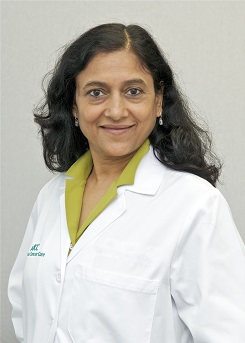
Areas of care: Breast Cancer · GYN Malignancies · Benign Hematology
Sees patients in: Cumming

Areas of care: Breast Cancer · Lung Cancer · Benign Hematology
Sees patients in: Alpharetta, Perimeter / Tower
Our team can help you find the right physician and the office closest to you.