
Richard A. Carter, M.D.
Areas of care: Benign Hematology · Breast Cancer · Lung Cancer
Sees patients in: Conyers, Perimeter / Tower

Lung Cancer begins when cells in the lungs grow out of control. According to the American Cancer Society, there are two main types: non-small cell lung cancer, which accounts for the large majority of cases, and small cell lung cancer, which tends to grow and spread faster. Knowing which type a person has is important, since it directly affects treatment options and outlook.
Did you know? Adults at high risk for lung cancer, including long time smokers, may qualify for an annual low dose CT scan, a screening tool that can catch lung cancer before symptoms even appear.
Lung Cancer often does not cause symptoms in its earliest stages, which is part of why screening matters. When symptoms do appear, they can include a persistent cough, coughing up blood, chest pain that worsens with deep breathing, hoarseness, unexplained weight loss, and shortness of breath.
Early detection significantly improves outcomes. Adults at high risk, generally those with a significant smoking history, may be candidates for annual low dose CT screenings even before symptoms develop. Talk with your physician about whether a lung cancer screening is right for you.
Diagnosis may involve a full evaluation by a pulmonologist and imaging such as a chest X-ray, CT scan or PET scan. A biopsy confirms the diagnosis and is often done during a bronchoscopy, using a thin tube passed into the airways. Specialized testing of the tumor can look for genetic changes that help guide treatment.
For people with an abnormal chest scan, Northside’s Lung Nodule Clinics offer fast, coordinated evaluation of suspicious lung nodules.
Once lung cancer is diagnosed, staging determines how far it has spread, from cancer confined to the lung in its earliest stage to cancer that has spread to other organs in its most advanced. Staging, along with the specific type of lung cancer, guides every treatment decision that follows.
Treatment for lung cancer depends on its type and stage. Options typically include one or more of the following:
From diagnosis through every stage of treatment, our team is here to walk beside you with expertise and compassion.
Through our affiliation with Northside Hospital Cancer Institute’s Lung Cancer Program, ACC patients have access to a program that holds The Joint Commission’s Disease-Specific Care Certification for lung cancer, at hospitals designated by the GO2 Foundation for Lung Cancer as Centers of Excellence. Thoracic surgeons, medical oncologists, radiation oncologists, pulmonologists, radiologists and pathologists review cases together to agree on the best plan for each patient. See the Northside Lung Cancer Program.
Through Northside Hospital Cancer Institute, oncology nurse navigators guide patients through treatment and coordinate with the whole care team. To reach a nurse navigator, call 404-300-2800 or email nurse.navigator@northside.com. If you smoke, quitting improves treatment outcomes, and Northside’s Built to Quit program can help (404-780-7653).
At ACC, our oncology social workers help patients and families with counseling, community resources, transportation and financial concerns. You can also explore our supportive care resources.
What are the main types of lung cancer?
Non-small cell lung cancer, which accounts for most cases, and small cell lung cancer, which tends to grow and spread faster.
Who should be screened for lung cancer?
A yearly low-dose CT scan is recommended for some adults at high risk, such as many longtime smokers. A physician’s order is required, so ask your doctor whether you qualify.
Can lung cancer be found before symptoms start?
Yes. Screening can find lung cancer early, when it is most treatable.
Does quitting smoking still help after a diagnosis?
Yes. Quitting improves treatment outcomes.
Related services at ACC
Clinical trials
Through our affiliation with Northside Hospital Cancer Institute, you may have access to clinical trials close to home. Ask your physician whether a trial could be right for you.
Learn about clinical trialsYour care team
Areas of care: Benign Hematology · Breast Cancer · Lung Cancer
Sees patients in: Conyers, Perimeter / Tower
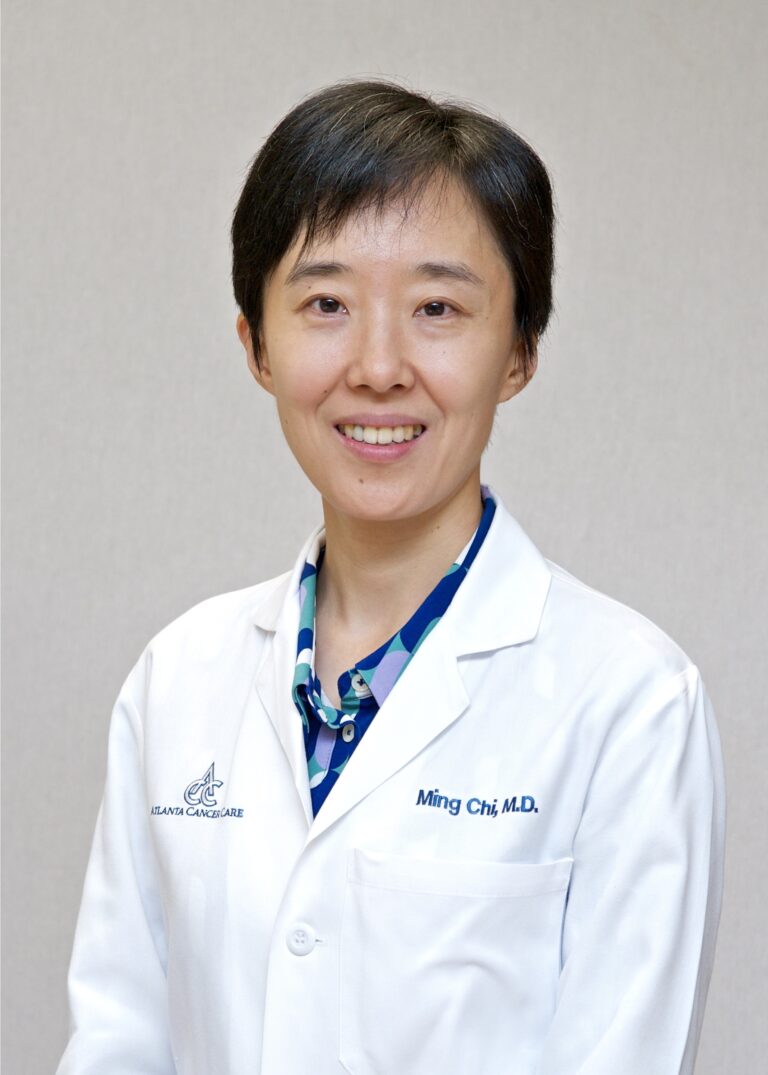
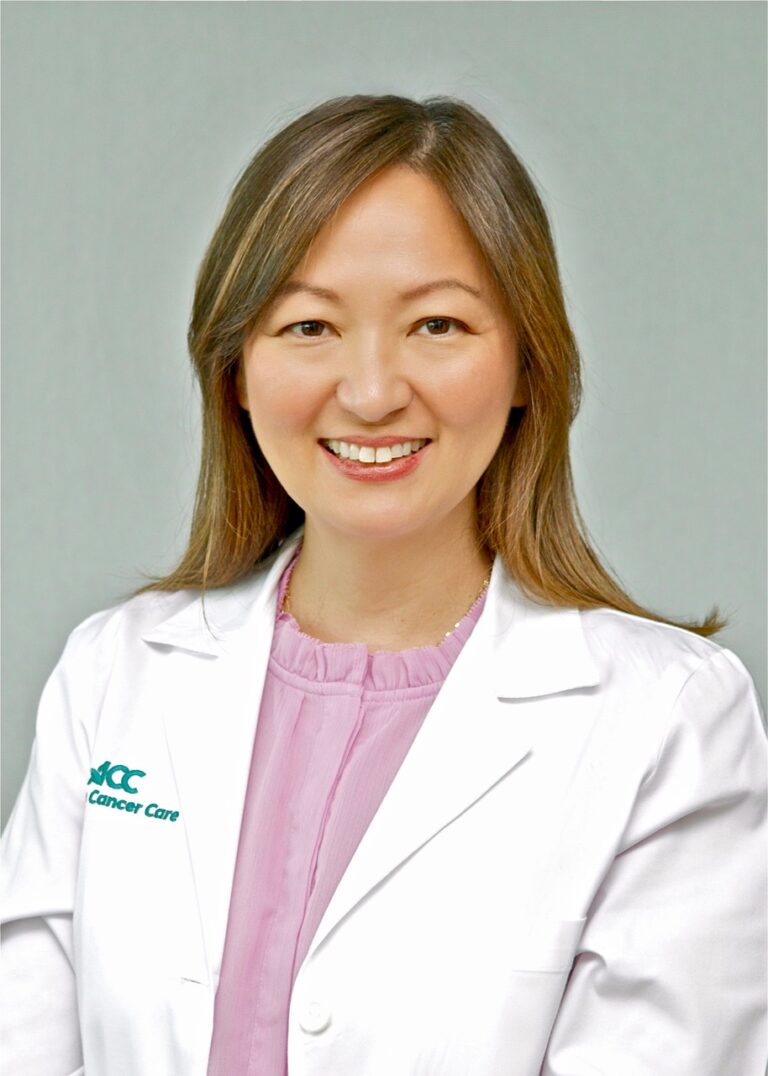
Areas of care: Lung Cancer · Gastrointestinal Oncology · Breast Cancer
Sees patients in: Cumming

Areas of care: Lung Cancer · Melanoma · Genitourinary Oncology
Sees patients in: Alpharetta, Cumming
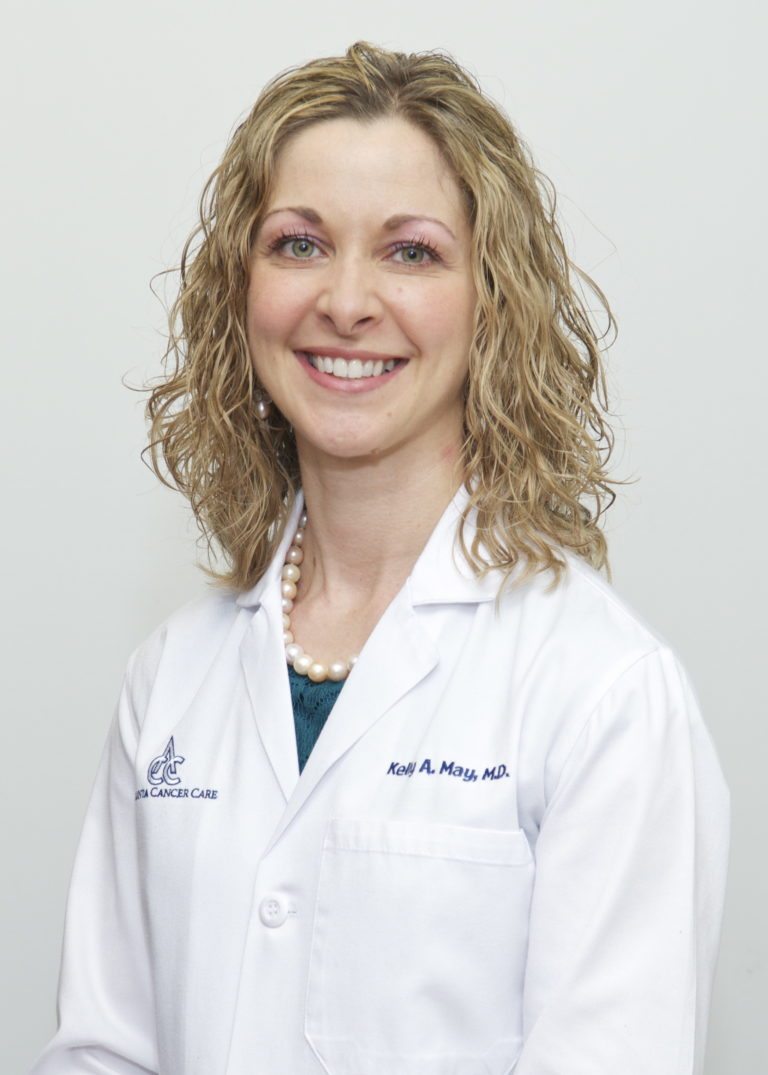
Areas of care: Breast Cancer · Lung Cancer · Medical Oncology
Sees patients in: Alpharetta, Perimeter / Tower

Areas of care: Breast Cancer · Lung Cancer · Melanoma
Sees patients in: Conyers, Decatur

Areas of care: Breast Cancer · Lung Cancer · Benign Hematology
Sees patients in: Alpharetta, Perimeter / Tower

Areas of care: Breast Cancer · Lung Cancer · Melanoma
Sees patients in: Stockbridge

Areas of care: Breast Cancer · Lung Cancer · Brain Cancer
Sees patients in: Decatur, Stockbridge

Areas of care: Gastrointestinal Oncology · Thoracic Oncology · Breast Cancer
Sees patients in: Canton, Cumming
Our team can help you find the right physician and the office closest to you.