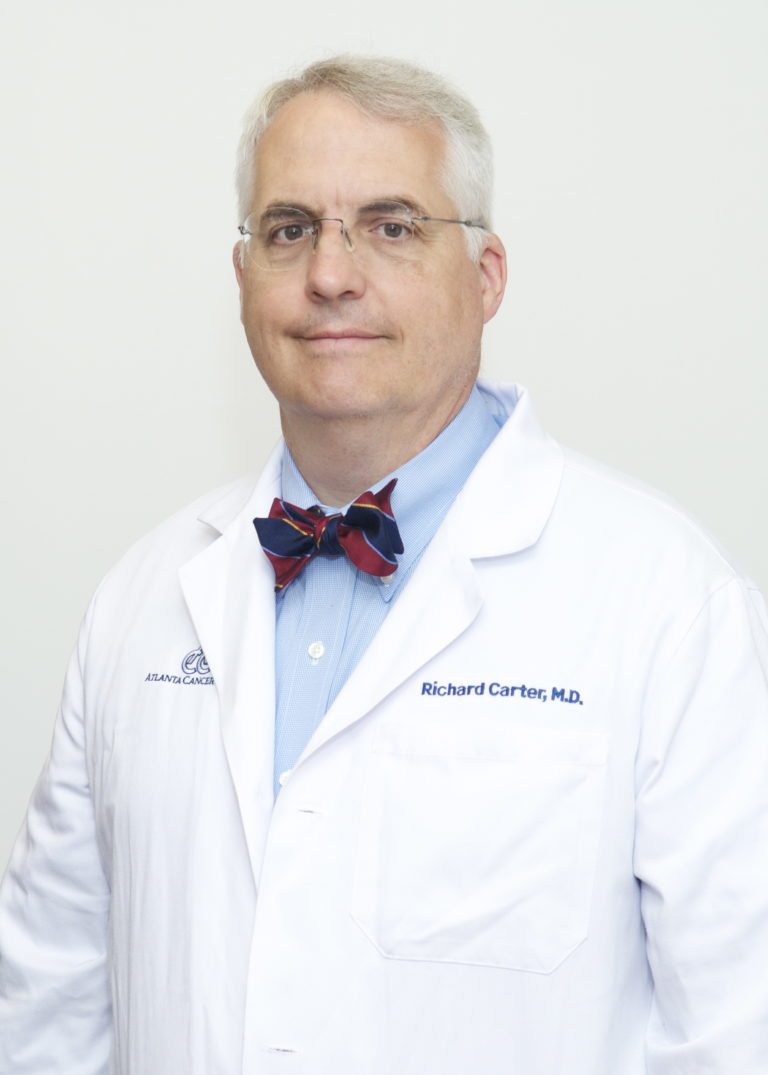
Richard A. Carter, M.D.
Areas of care: Benign Hematology · Breast Cancer · Lung Cancer
Sees patients in: Conyers, Perimeter / Tower

Treatment and support
Medical oncology is the field of medicine that uses various medications and specialized treatments, like chemotherapy, immunotherapy and targeted therapy, to treat cancer. Medical oncologists are experienced in diagnosing and treating cancer, and work in conjunction with other physicians, including radiation oncologists and surgeons, to ensure you receive the highest standard of care. We will work with you personally to tailor a customized treatment plan to meet your individual needs. We will guide you through your journey with cancer, helping you manage the side effects and monitoring the progress of your treatment. We believe in the importance of patient education, so we encourage you to ask questions before, during and after your treatment. We promise to speak candidly with you about your diagnosis, treatment options, alternative treatments that may exist and our recommendations. Together, we can develop a true partnership with a common goal – to help you beat cancer and restore your overall wellness.
An oncologist is a doctor who diagnoses and treats cancer. According to the American Cancer Society, a medical oncologist is a cancer doctor who mainly uses chemotherapy and other medicines to treat cancer, while a surgical oncologist treats cancer with operations and a radiation oncologist treats it with radiation.
Many medical oncologists are also hematologists, doctors who treat blood disorders, including cancers of the blood and the tissues that make blood. Learn about hematology at ACC.
The treatments a medical oncologist uses are often called systemic treatments, because the medicines can reach cancer cells throughout the body. Surgery and radiation are local treatments, used on a specific tumor or area. Read about the cancer care team from the American Cancer Society.
Did you know? More than half of patients diagnosed with cancer receive chemotherapy, and many of the side effects once linked to it can now be prevented or controlled.
Cancer drug therapy uses several kinds of medicine. It can be used alone or together with surgery, radiation therapy, or both.
Your physician will recommend the treatment, or combination of treatments, that fits your diagnosis. Some patients may also be able to take part in clinical trials.
Chemotherapy and other cancer medicines can be given in several ways:
Infusions are given on an outpatient basis, so you go home the same day. They are given by registered nurses who are certified to give chemotherapy and who check on you throughout your treatment.
Northside Hospital Cancer Institute’s network of infusion centers is designed to keep treatment close to home, and it includes all seven Atlanta Cancer Care locations. Find an ACC location near you.
Many of the side effects once linked to chemotherapy can now be prevented or controlled, which lets many patients keep up their normal activities during treatment.
Side effects depend on the specific medicines used, and they can include fatigue, nausea and vomiting, hair loss, and lower blood cell counts. Our team will work with you personally to help manage any side effects. Learn about supportive care at ACC, or read our frequently asked questions about treatment.
Exceptional cancer care is never the work of one person. At ACC, your care is coordinated by a team of physicians, Advanced Practice Providers, nurses, registered dietitian nutritionists, oncology social workers, patient financial advocates, and other support staff.
The American Cancer Society describes several of these roles:
Meet our physicians, our Advanced Practice Providers, and our Oncology Social Workers.
What does a medical oncologist do?
A medical oncologist is a cancer doctor who mainly uses chemotherapy and other medicines to treat cancer.
Is chemotherapy the only kind of cancer drug therapy?
No. Cancer drug therapy also includes hormone therapy, targeted therapy, and immunotherapy. These can be used alone or along with surgery or radiation therapy.
How is chemotherapy given?
Chemotherapy can be given through an IV, as an injection, or by mouth as a pill. Infusions are given on an outpatient basis.
Will I have side effects from treatment?
Side effects depend on the specific medicines used. Many side effects once linked to chemotherapy can now be prevented or controlled, and our team will work with you personally to help manage them.
Related services at ACC
Talk with an Atlanta Cancer Care medical oncologist about your care.
Find a PhysicianClinical trials
Through our affiliation with Northside Hospital Cancer Institute, you may have access to clinical trials close to home. Ask your physician whether a trial could be right for you.
Learn about clinical trialsYour care team
Areas of care: Benign Hematology · Breast Cancer · Lung Cancer
Sees patients in: Conyers, Perimeter / Tower
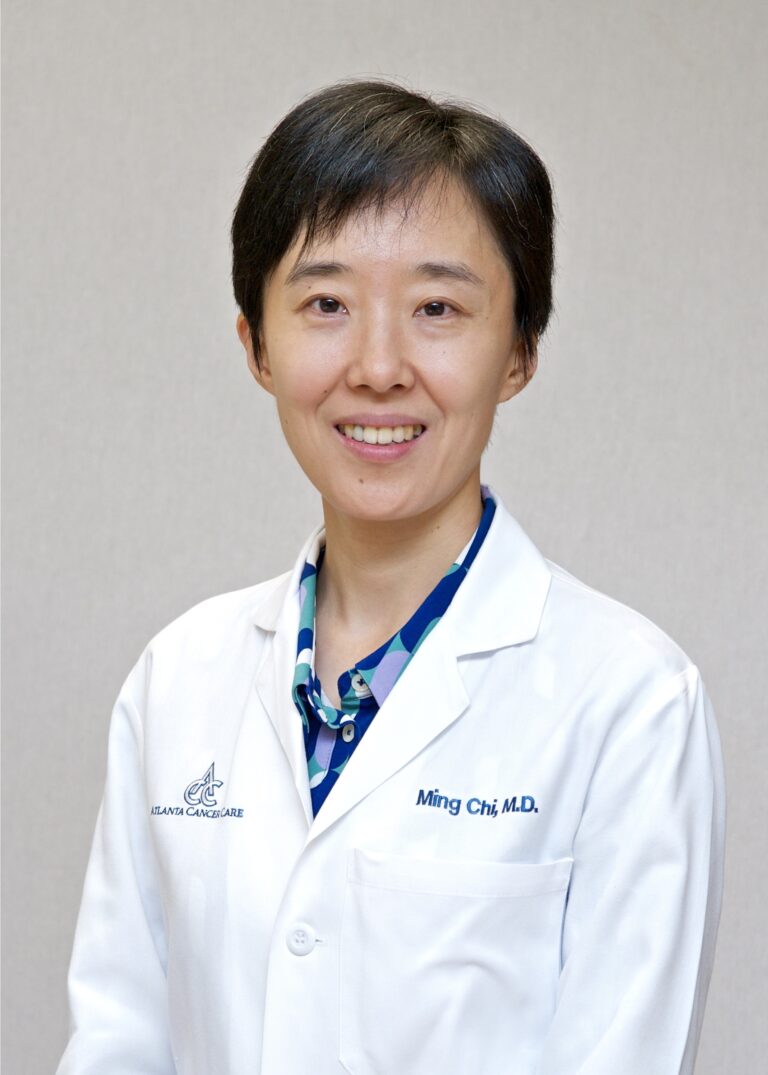
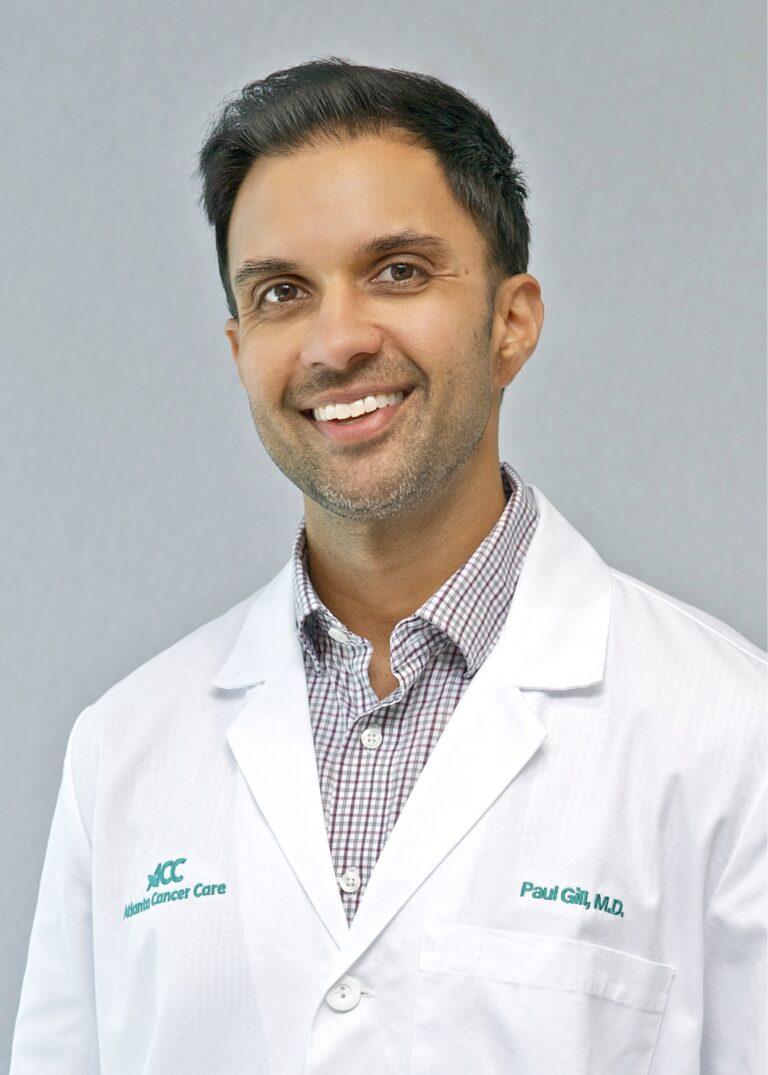
Areas of care: Lung Cancer · Melanoma · Genitourinary Oncology
Sees patients in: Alpharetta, Cumming
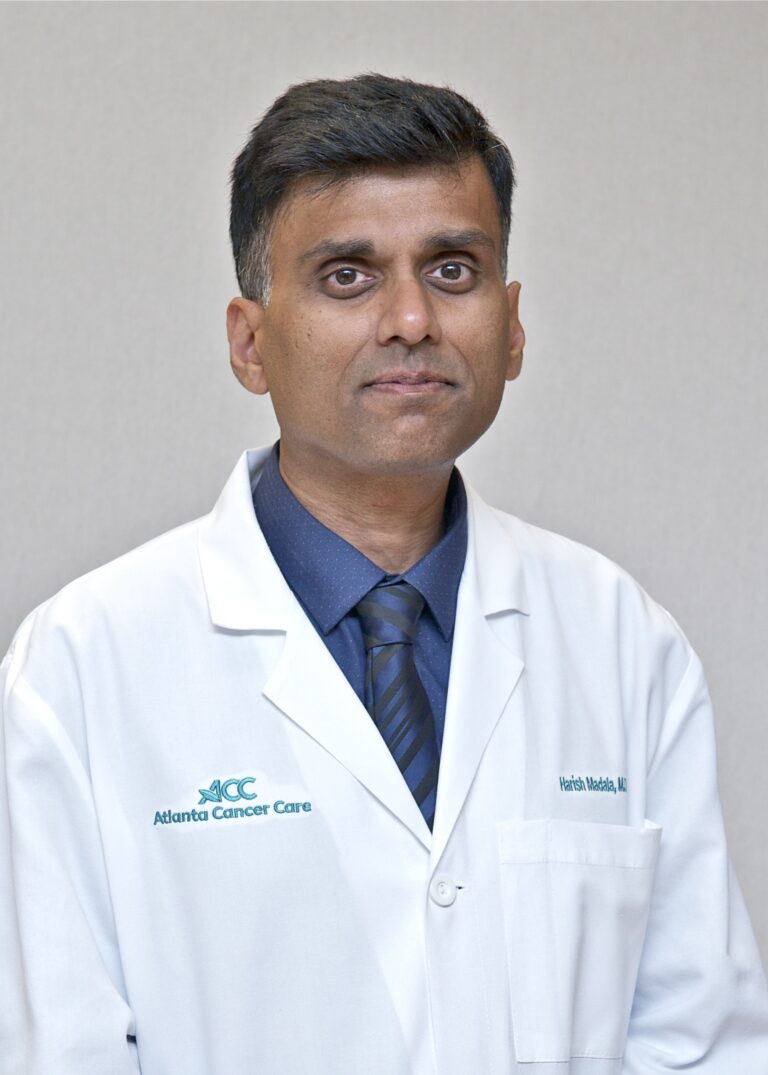
Areas of care: Medical Oncology · Breast Cancer · Gastrointestinal Oncology
Sees patients in: Canton

Areas of care: Medical Oncology · Gastrointestinal Oncology · Genitourinary Oncology
Sees patients in: Alpharetta, Perimeter / Tower
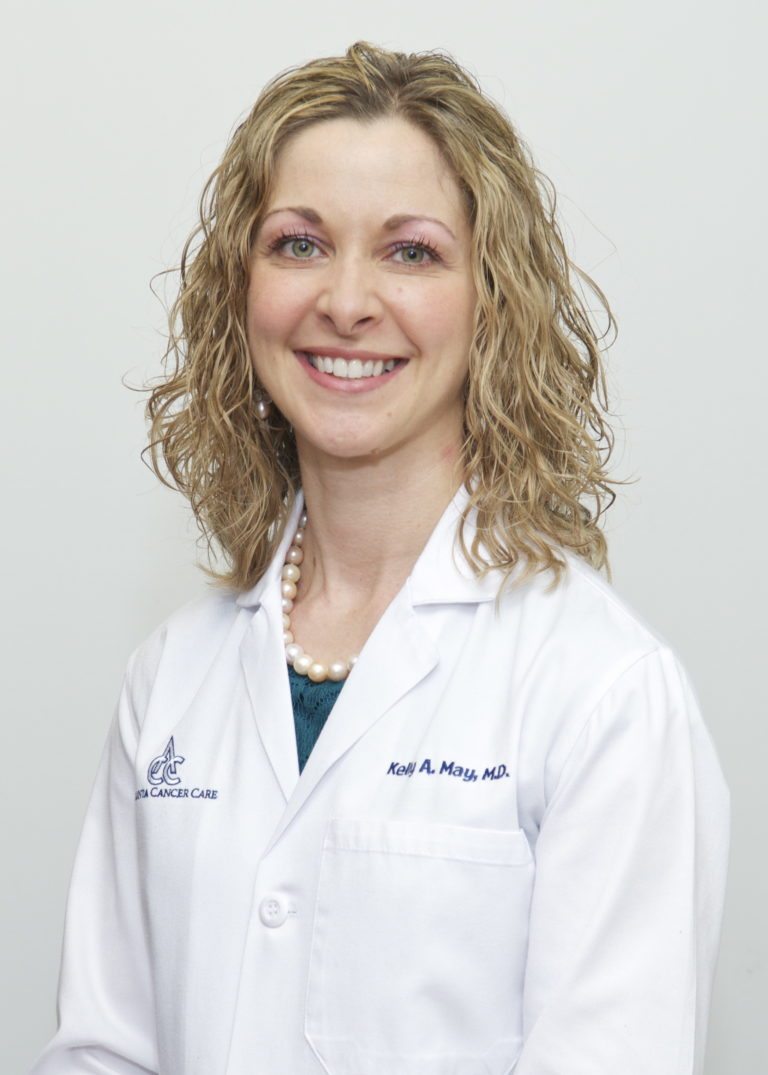
Areas of care: Breast Cancer · Lung Cancer · Medical Oncology
Sees patients in: Alpharetta, Perimeter / Tower
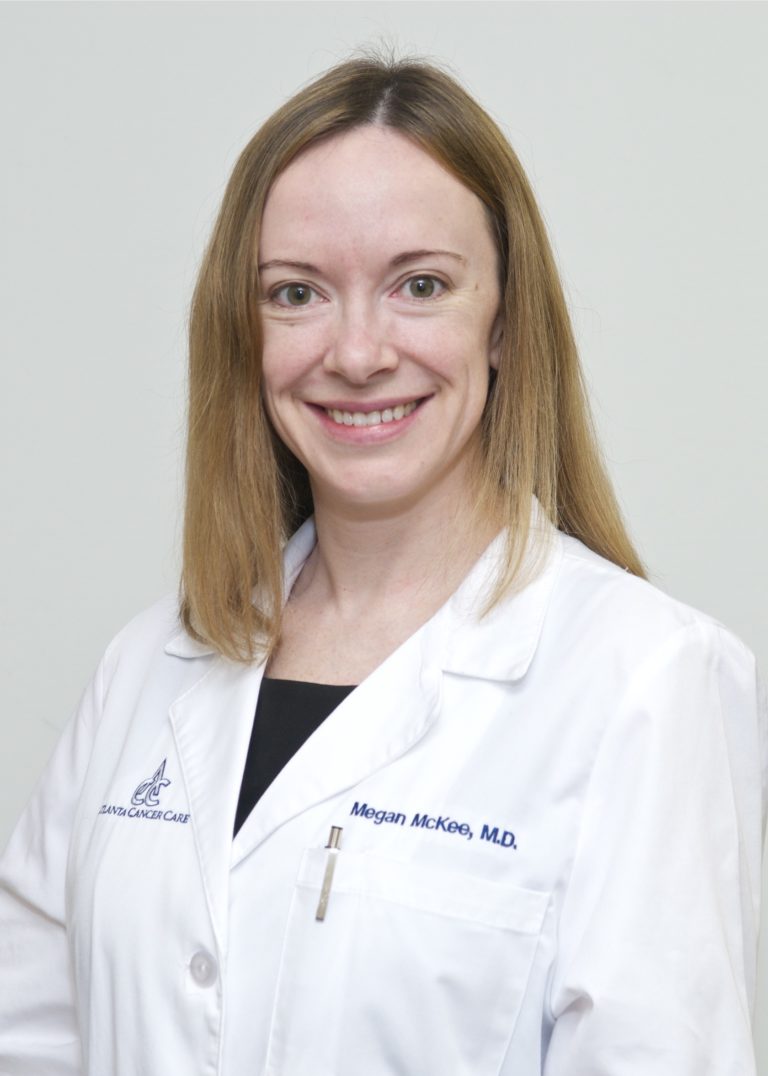
Areas of care: Breast Cancer · Lung Cancer · Melanoma
Sees patients in: Conyers, Decatur
Areas of care: Breast Cancer · GYN Malignancies · Benign Hematology
Sees patients in: Cumming
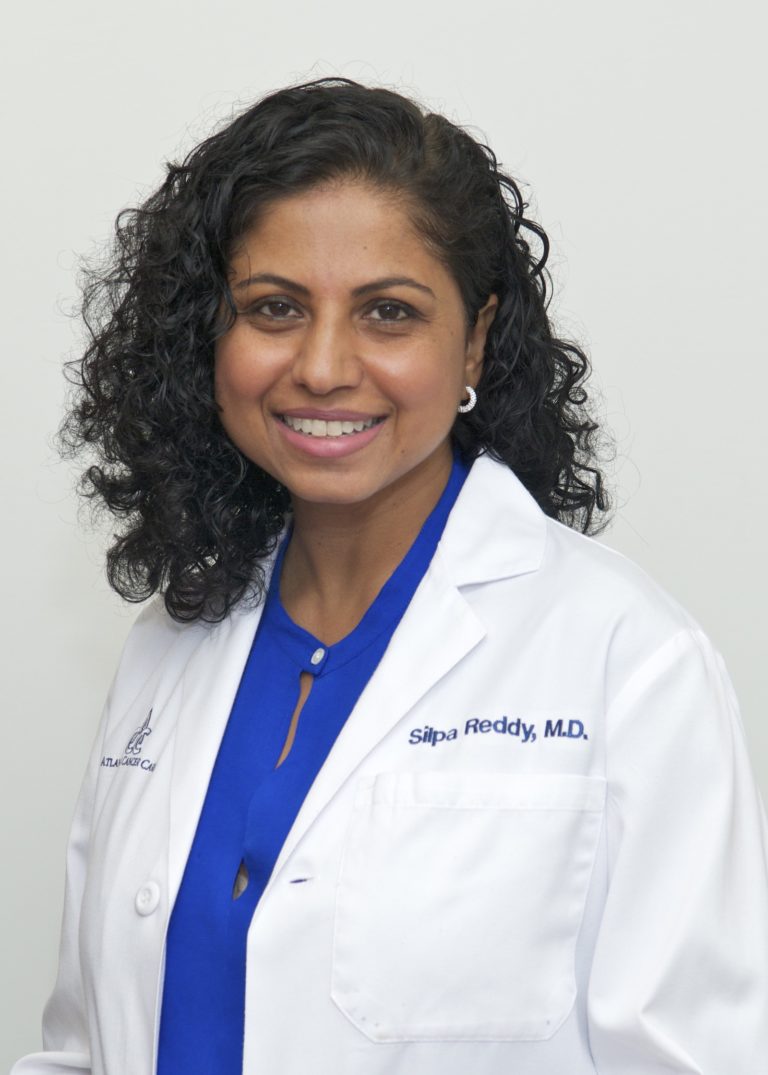
Areas of care: Breast Cancer · Lung Cancer · Benign Hematology
Sees patients in: Alpharetta, Perimeter / Tower
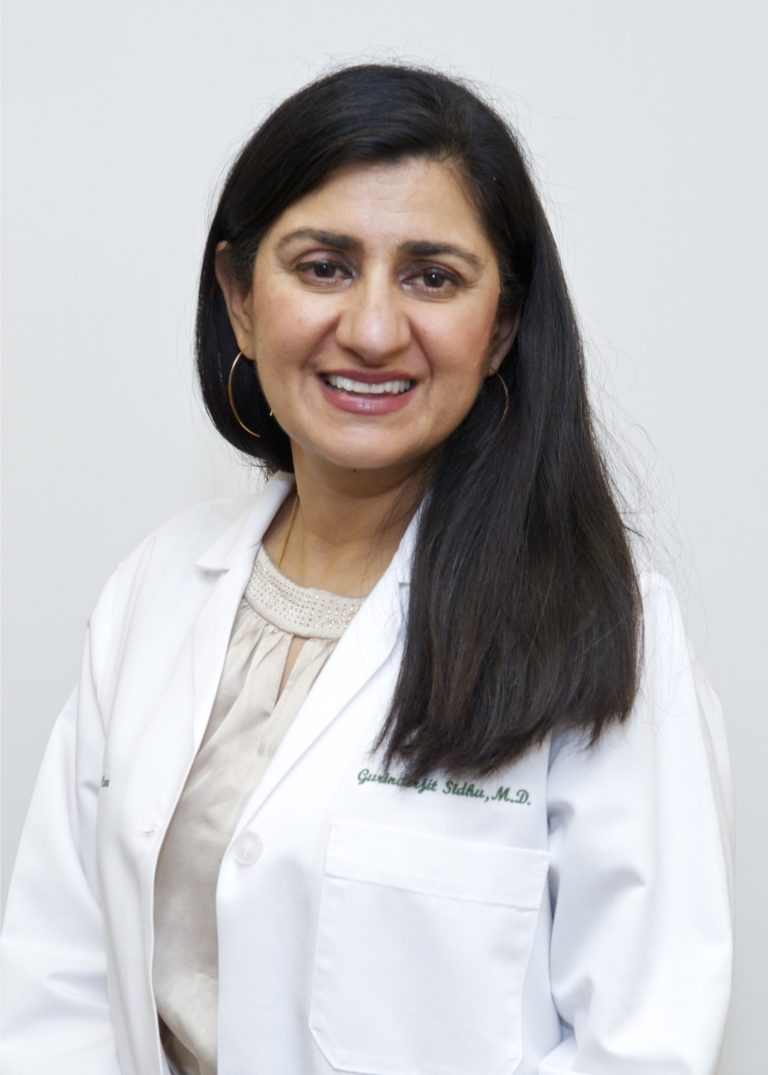
Areas of care: Breast Cancer · Lung Cancer · Melanoma
Sees patients in: Stockbridge
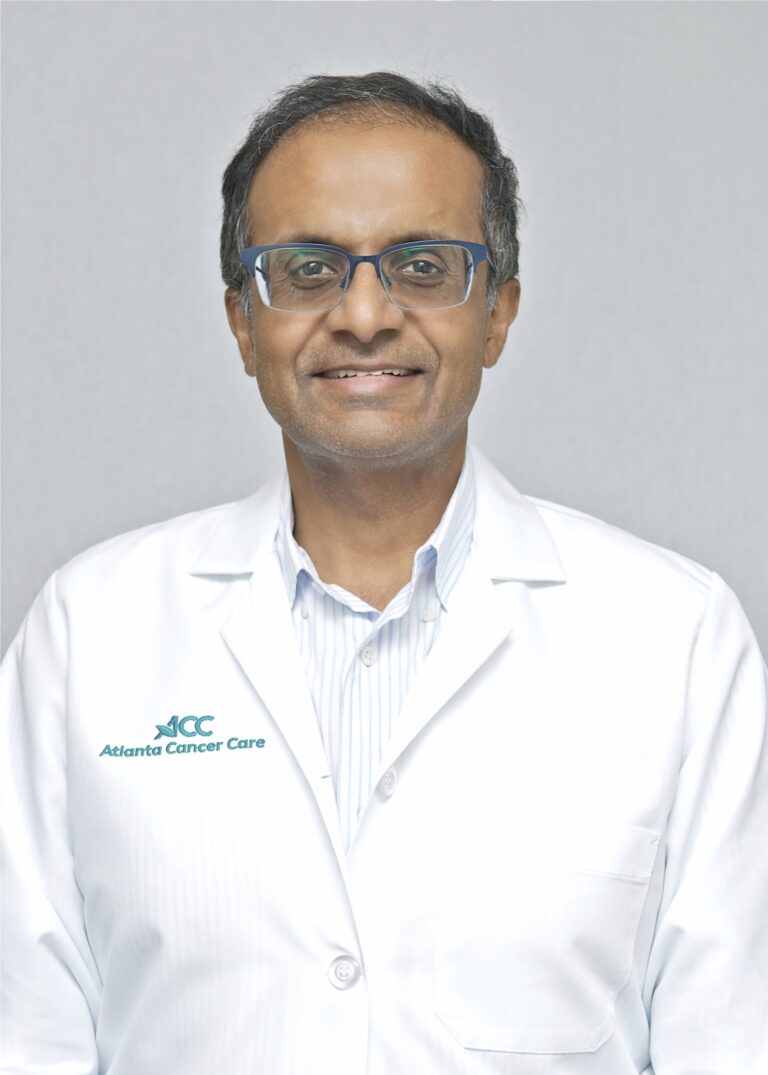
Areas of care: Breast Cancer · Lung Cancer · Brain Cancer
Sees patients in: Decatur, Stockbridge
Areas of care: Gastrointestinal Oncology · Thoracic Oncology · Breast Cancer
Sees patients in: Canton, Cumming
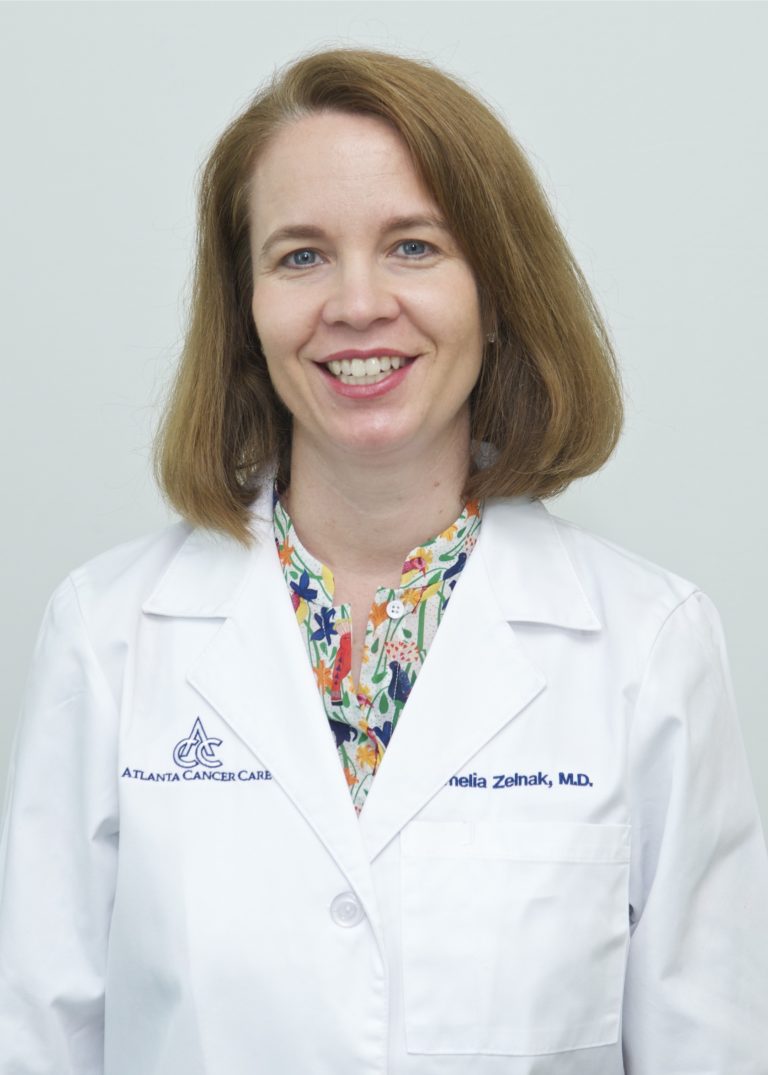
Areas of care: Breast Cancer · Medical Oncology
Sees patients in: Cumming, Perimeter / Tower
Our team can help you find the right physician and the office closest to you.