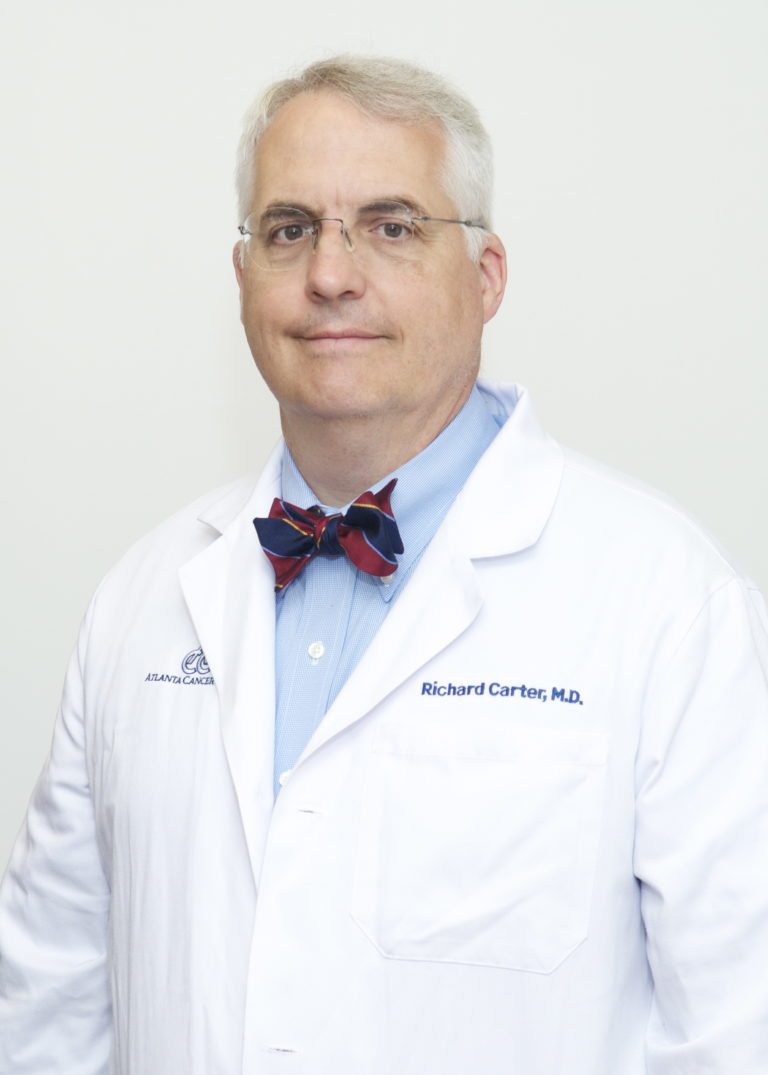
Richard A. Carter, M.D.
Areas of care: Benign Hematology · Breast Cancer · Lung Cancer
Sees patients in: Conyers, Perimeter / Tower

Cancer types
Atlanta Cancer Care provides breast cancer care at seven locations across Metro Atlanta. ACC is affiliated with Northside Hospital Cancer Institute and is part of its medical oncology “Built to Beat Cancer” team. Northside has built one of the largest breast cancer programs in the country, a leading provider of breast cancer diagnostic and treatment services, accredited by the National Accreditation Program for Breast Centers.
Breast cancer is a cancer that begins in the breast. It starts when cells grow out of control, usually forming a tumor that can often be seen on a mammogram or felt as a lump. It can start in one or both breasts. Breast cancer mostly affects women, but men can get it too.
According to the American Cancer Society, breast cancer most often begins in one of two places:
Common types include ductal carcinoma in situ (DCIS), invasive ductal carcinoma, and invasive lobular carcinoma. Without treatment, breast cancer cells can grow into nearby areas or travel through the blood or lymph system to other parts of the body. Read more from the American Cancer Society.
Did you know? About 1 in 8 women in the United States will develop breast cancer at some point in her life, according to the American Cancer Society. Other than skin cancers, it is the most common cancer in women.
The most common symptom of breast cancer is a new lump or mass in the breast. The American Cancer Society lists these other possible signs:
Most breast lumps are not cancer, and many of these changes can be caused by other breast conditions. Still, any new lump or change should be checked by a healthcare professional. Screening can often find breast cancer before symptoms appear, when treatment is most likely to work. See breast cancer signs and symptoms from the American Cancer Society.
A mammogram every year is recommended for all women starting at age 40, following the guidance of the American College of Radiology and the National Comprehensive Cancer Network. Women at higher risk may need to start earlier, and may need a yearly breast MRI in addition to a mammogram.
Family history is a known risk factor, but most women who develop breast cancer do not have one. For that reason, Northside includes a breast cancer risk assessment, at no cost, with every screening mammogram. It combines a short survey about your family and personal medical history with your breast density to estimate your lifetime risk.
A woman may be considered at high risk for breast cancer if she has:
Having one or more risk factors does not mean you will develop cancer. Northside’s High Risk Program builds a personal plan that may include recommended screenings, genetic testing, risk reducing options, and lifestyle changes. You can also schedule a screening mammogram at Northside.
Northside Hospital Cancer Institute offers a range of tests and procedures to diagnose breast cancer. They are performed in an outpatient setting by radiologists who specialize in breast imaging, and include:
Mammogram reports now note breast density. Women with dense breasts may benefit from additional screening, because cancers can be hidden on a mammogram. Northside’s breast imaging centers are designated American College of Radiology Comprehensive Imaging Breast Centers, with screening and diagnostic services at more than 25 locations across Georgia and on a mobile mammography van.
Learn about breast cancer screening and diagnosis at Northside.
Staging is how doctors find out whether breast cancer has spread and, if so, how far. The stage describes how much cancer is in the body and helps guide treatment.
According to the American Cancer Society, breast cancer stages range from 0 to IV. Stage 0 is the earliest and refers to carcinoma in situ, and stage IV is the most advanced. As a rule, the lower the number, the less the cancer has spread. Staging is based on:
Because so many factors are involved, breast cancer staging can be complex. Ask your physician what your specific stage means for you. Read about breast cancer stages from the American Cancer Society.
The strength of Northside’s Breast Cancer Program is its multidisciplinary team of breast cancer specialists and oncology support staff, who work together at each step to individualize care. The team includes specialists in surgery, plastic surgery, radiology, pathology, and oncology.
At a weekly conference, these specialists review each patient’s radiology and pathology images together, discuss treatment options including clinical trials, and agree on a plan based on current evidence. Each case receives input from more than a dozen experts.
Northside’s program treats every type of breast cancer, including personalized therapies based on the genetic and molecular makeup of a cancer. Treatment options include:
Visit the Northside Breast Cancer Program or learn more about medical oncology and clinical trials at ACC. You can also find an ACC physician who treats breast cancer.
Ongoing support helps maintain quality of life for anyone facing breast cancer. Northside’s Breast Cancer Program offers support and survivorship services for patients and survivors, including:
At ACC, our oncology social workers help patients and their families with counseling, community resources, transportation, financial concerns, and more. You can also learn about supportive care at ACC.
Northside’s Network of Hope connects patients with trained volunteers who have had cancer themselves and can serve as mentors throughout treatment. See all of Northside’s support and survivorship services.
What is the most common symptom of breast cancer?
According to the American Cancer Society, the most common symptom is a new lump or mass in the breast. Most breast lumps are not cancer, but any new lump or change should be checked by a healthcare professional.
At what age should I start getting mammograms?
A mammogram every year is recommended for all women starting at age 40. Women at higher risk may need to start earlier.
Does a family history mean I will get breast cancer?
No. Family history is a known risk factor, but having a risk factor does not mean you will develop cancer, and most women who develop breast cancer do not have a family history of it.
Can men get breast cancer?
Yes. Breast cancer mostly affects women, but men can get it too.
What does my breast cancer stage mean?
Breast cancer stages range from 0 to IV. As a rule, the lower the number, the less the cancer has spread. Because many factors go into staging, ask your physician what your specific stage means for you.
Talk with an Atlanta Cancer Care physician about breast cancer care.
Find a PhysicianClinical trials
Through our affiliation with Northside Hospital Cancer Institute, you may have access to clinical trials close to home. Ask your physician whether a trial could be right for you.
Learn about clinical trialsYour care team
Areas of care: Benign Hematology · Breast Cancer · Lung Cancer
Sees patients in: Conyers, Perimeter / Tower
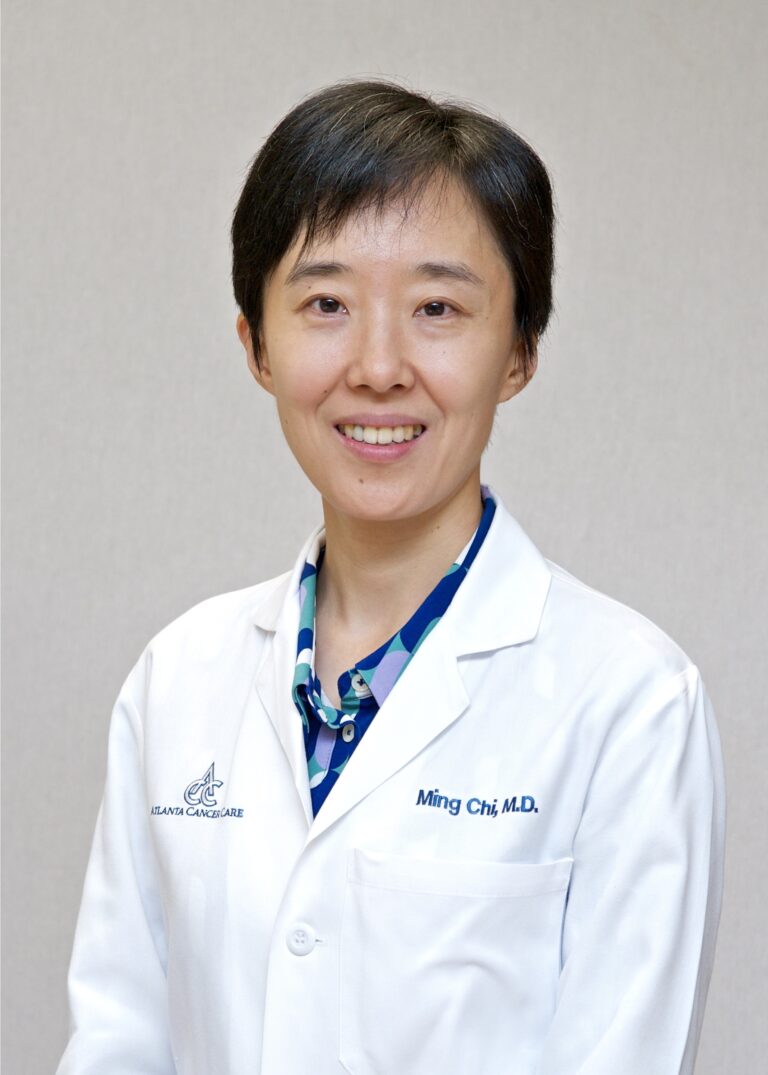
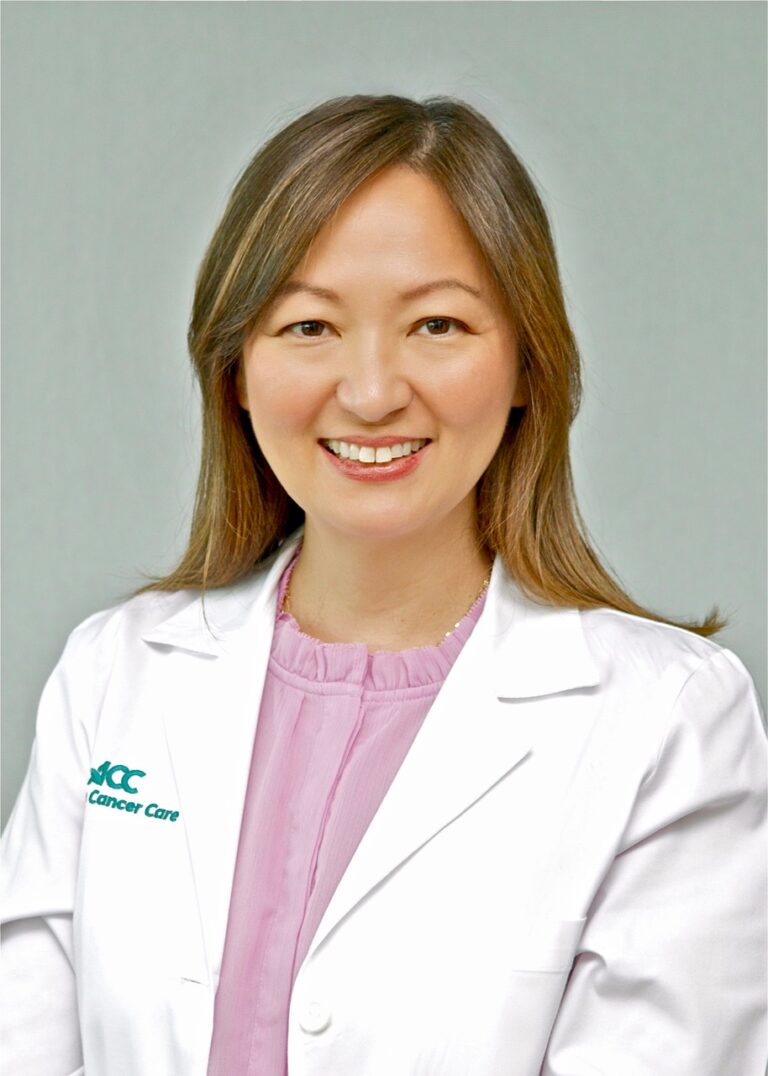
Areas of care: Lung Cancer · Gastrointestinal Oncology · Breast Cancer
Sees patients in: Cumming
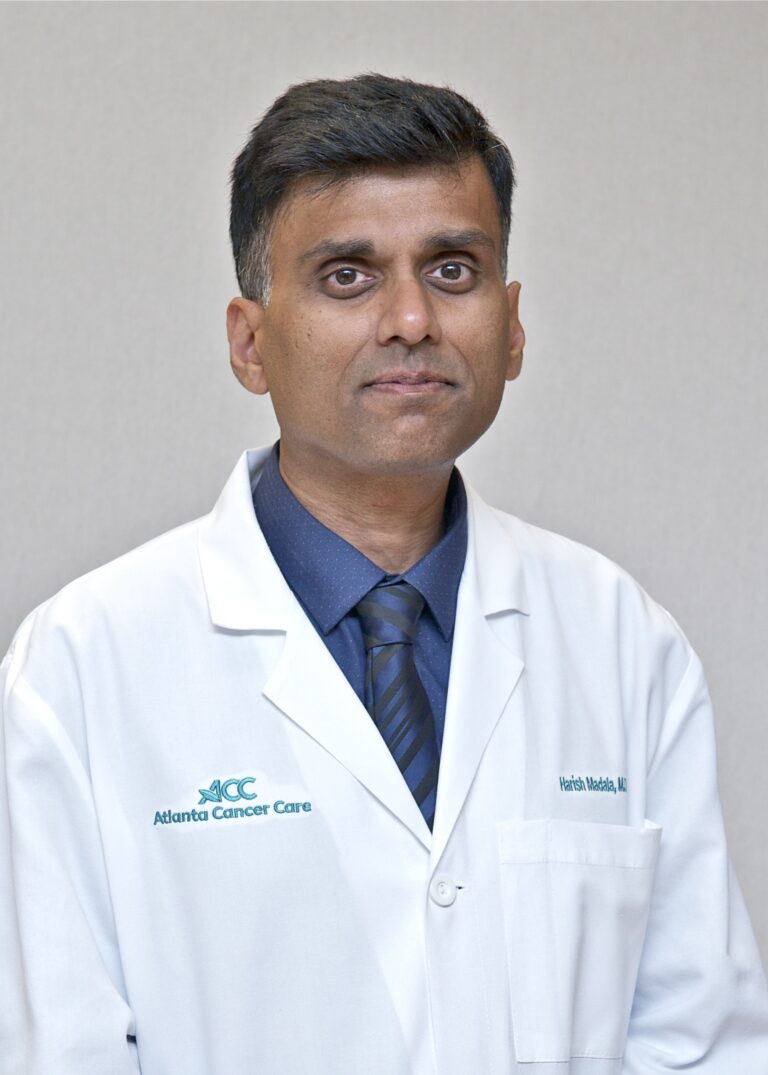
Areas of care: Medical Oncology · Breast Cancer · Gastrointestinal Oncology
Sees patients in: Canton
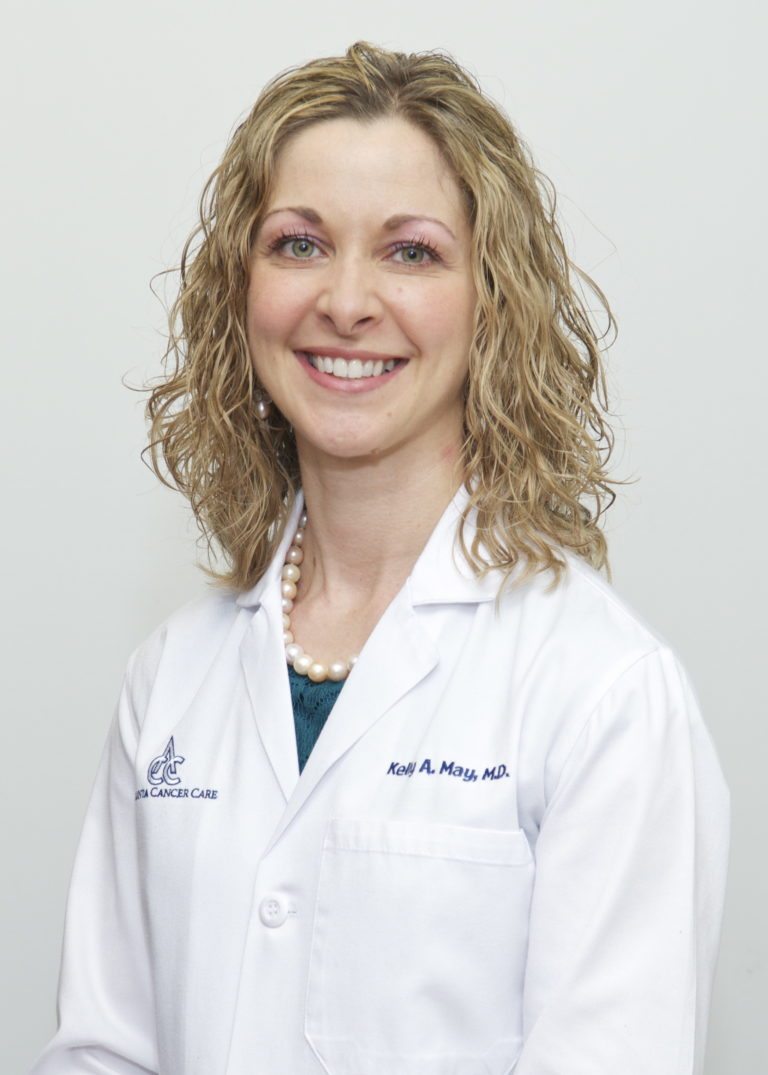
Areas of care: Breast Cancer · Lung Cancer · Medical Oncology
Sees patients in: Alpharetta, Perimeter / Tower
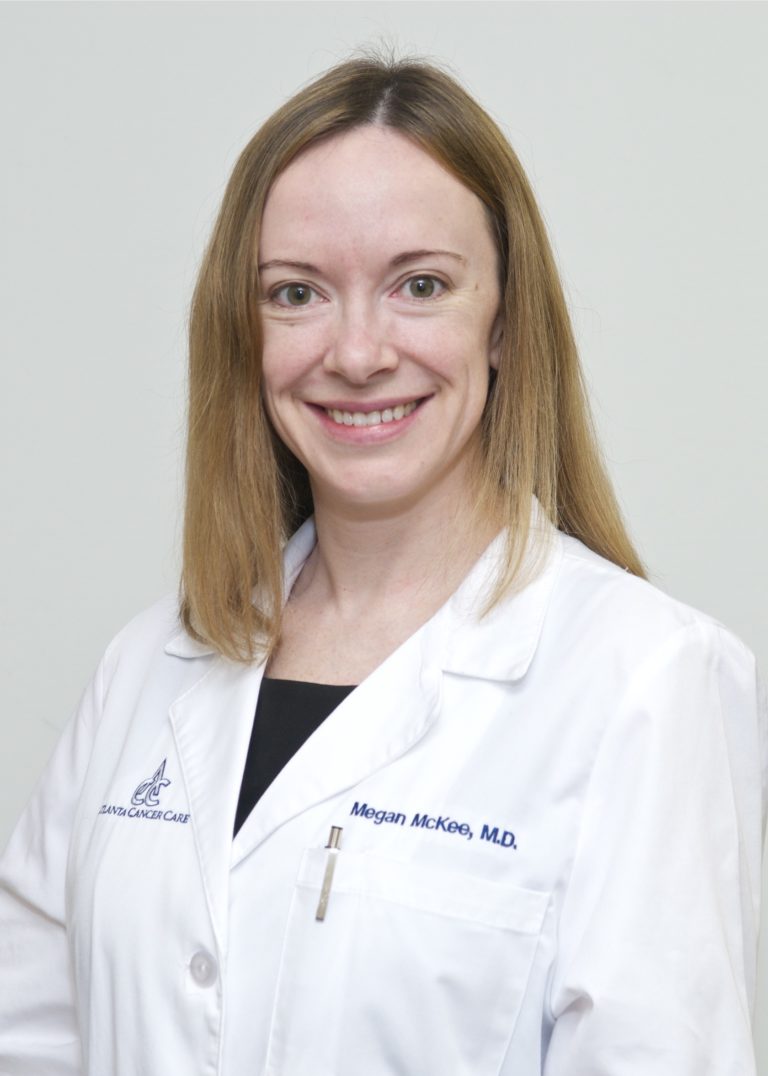
Areas of care: Breast Cancer · Lung Cancer · Melanoma
Sees patients in: Conyers, Decatur
Areas of care: Breast Cancer · GYN Malignancies · Benign Hematology
Sees patients in: Cumming
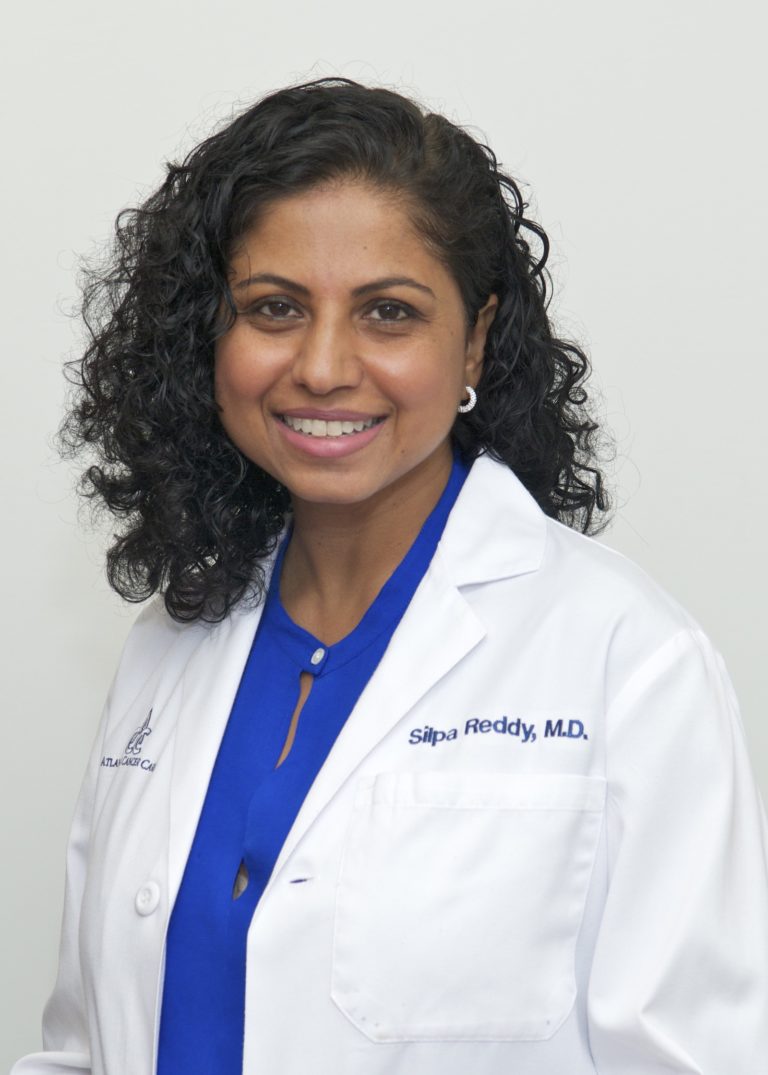
Areas of care: Breast Cancer · Lung Cancer · Benign Hematology
Sees patients in: Alpharetta, Perimeter / Tower
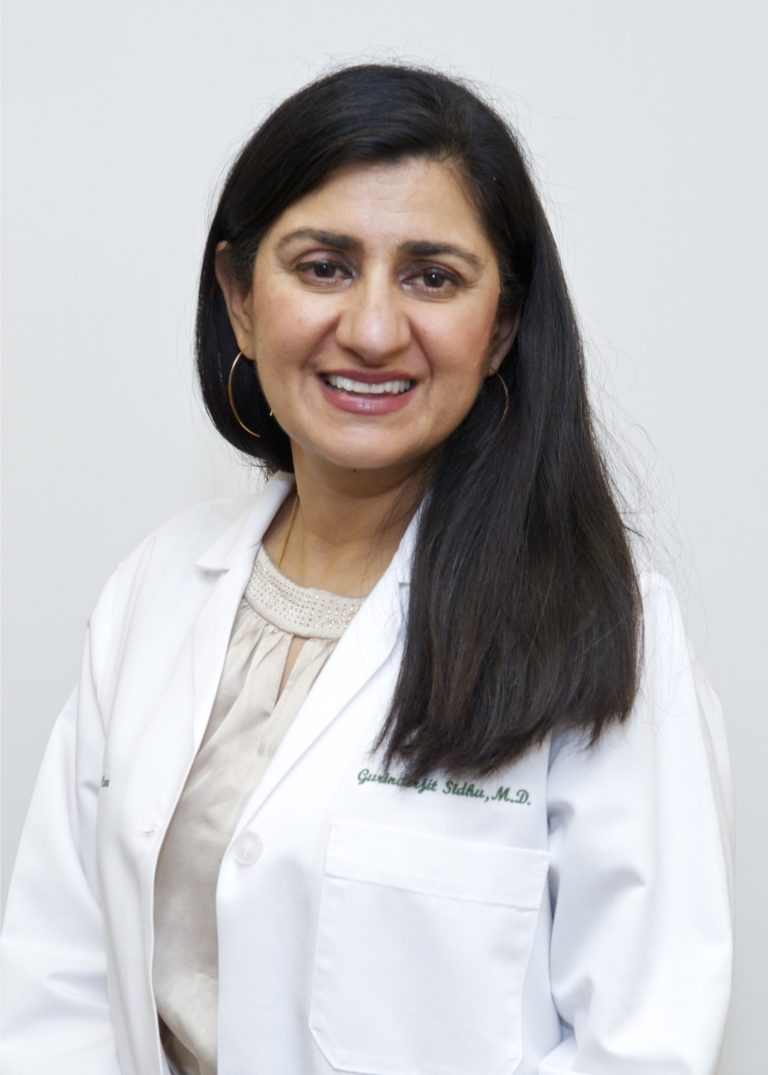
Areas of care: Breast Cancer · Lung Cancer · Melanoma
Sees patients in: Stockbridge
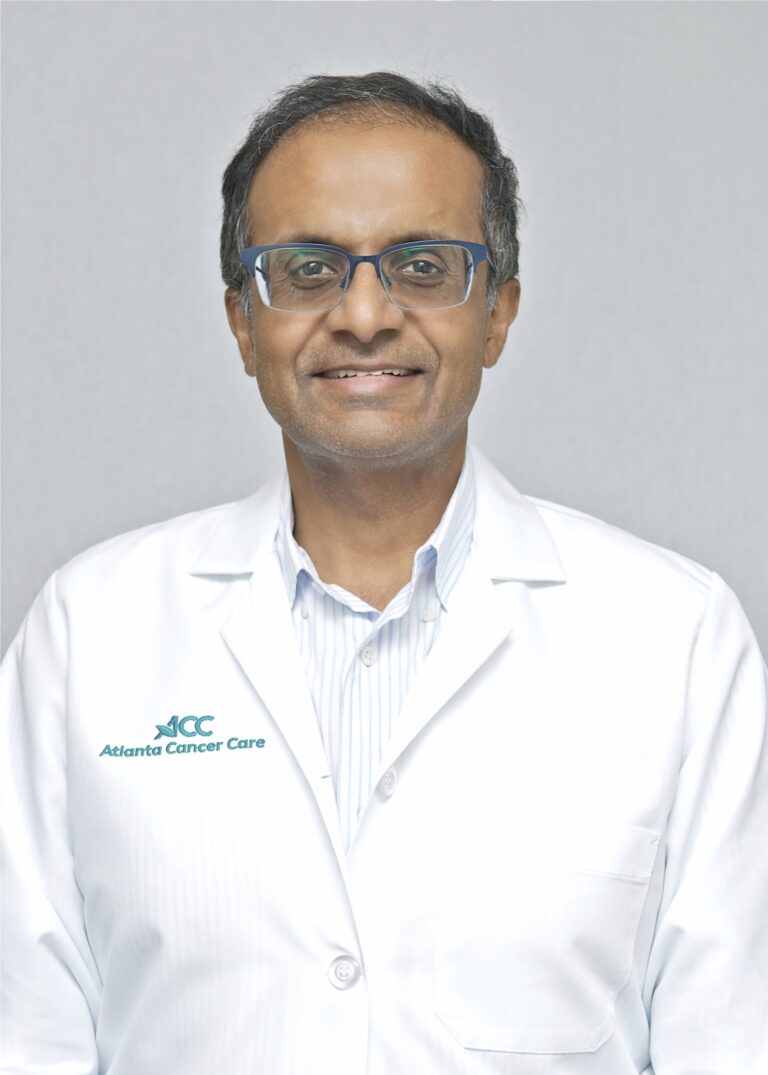
Areas of care: Breast Cancer · Lung Cancer · Brain Cancer
Sees patients in: Decatur, Stockbridge
Areas of care: Gastrointestinal Oncology · Thoracic Oncology · Breast Cancer
Sees patients in: Canton, Cumming
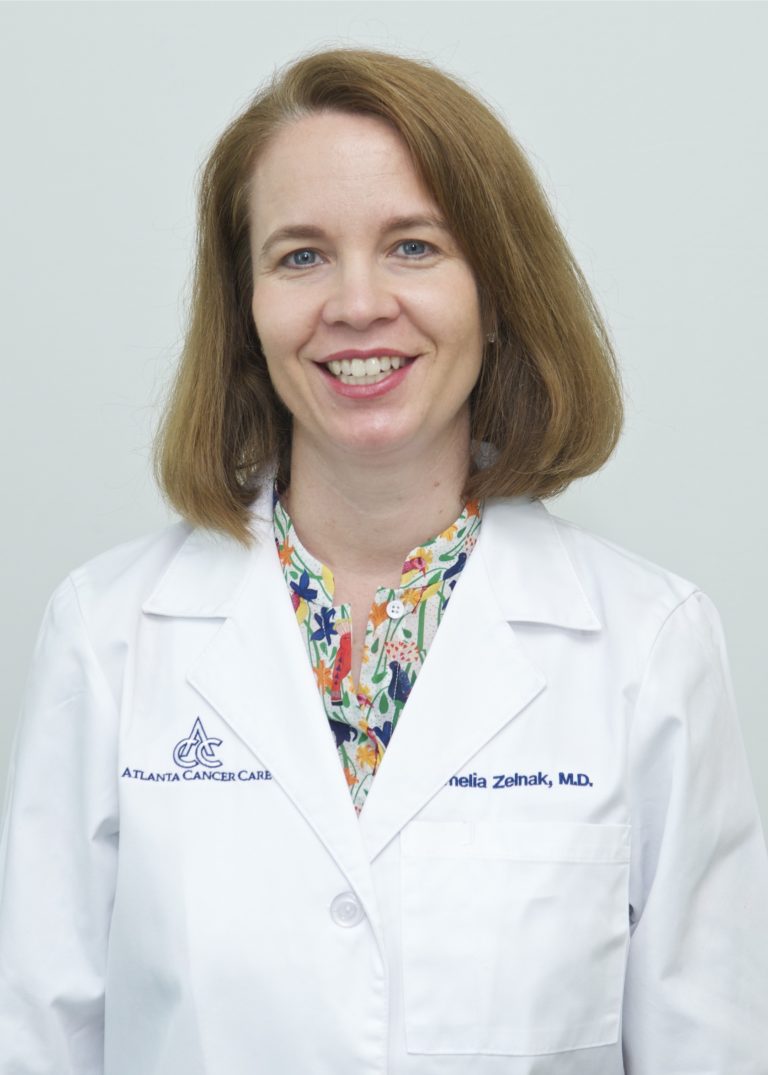
Areas of care: Breast Cancer · Medical Oncology
Sees patients in: Cumming, Perimeter / Tower
Our team can help you find the right physician and the office closest to you.